Professional Houma Electrician Helping Homeowners Fix Dimming And Flickering Lights
Flickering or Dimming Lights: Common Causes and Fixes
Few household electrical problems are as frustrating as lights that flicker or dim unexpectedly. Whether it's a single light fixture blinking occasionally or the lights throughout your home dimming whenever an appliance turns on, these issues should never be ignored. While some causes are simple and easy to fix, others can point to serious electrical problems that require immediate professional attention.
Flickering lights are more than just an inconvenience. They can indicate loose electrical connections, overloaded circuits, faulty wiring, or problems with your home's electrical panel. Left unresolved, these issues may increase the risk of electrical fires, equipment damage, and power outages.
Understanding the common causes of flickering or dimming lights can help you identify when it's safe to perform a basic check and when it's time to call a licensed electrician. In this guide, we'll explain why lights flicker, how to troubleshoot the problem, and what solutions can restore safe and reliable lighting in your home.
Understanding Why Lights Flicker
Every electrical fixture in your home relies on a consistent flow of electricity. When that flow becomes interrupted or unstable, lights may flicker, blink, or temporarily dim.
Some flickering happens so quickly that it is barely noticeable, while other cases involve lights becoming significantly darker before returning to normal brightness. The severity, frequency, and location of the problem often provide important clues about the underlying cause.
Occasional flickering after a severe storm or brief power fluctuation from the utility company may not indicate a problem inside your home. However, frequent or recurring flickering should always be investigated
Loose Light Bulbs Are Often the Simplest Cause
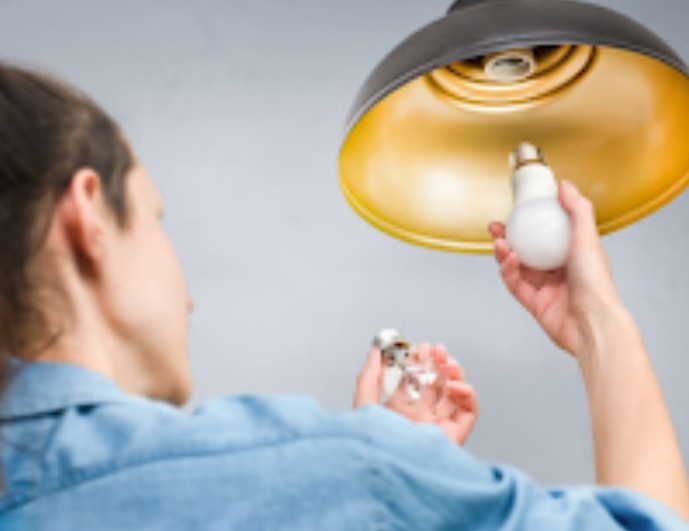
Before assuming a major electrical issue exists, start by checking the light bulb itself.
A bulb that isn't securely tightened into the socket may lose proper electrical contact, causing intermittent flickering. This is particularly common with ceiling fixtures, pendant lights, and lamps that experience vibration over time.
Turn off the power, allow the bulb to cool, and carefully tighten it. If the bulb continues to flicker, try replacing it with a new one. LED bulbs that have reached the end of their lifespan or poor-quality bulbs may also flicker unexpectedly.
If replacing the bulb solves the issue, no further repairs are usually necessary.
Incompatible LED Bulbs and Dimmer Switches
Many homeowners have switched to energy-efficient LED lighting, but not all LED bulbs work properly with older dimmer switches.
Traditional dimmers were originally designed for incandescent bulbs. When paired with incompatible LEDs, they may cause flickering, buzzing, or inconsistent brightness.
If your lights only flicker when using the dimmer control, the solution may be as simple as installing dimmable LED bulbs or upgrading to a modern LED-compatible dimmer switch.
An electrician can recommend compatible products and ensure proper installation.
Loose Electrical Connections
Loose electrical connections are one of the most common—and potentially dangerous—causes of flickering lights.
Electrical current must travel through tightly secured wire connections to maintain a stable flow of electricity. Over time, normal household vibration, aging components, or improper installation can cause these connections to loosen.
When electricity encounters a loose connection, it may create small electrical arcs that interrupt the power supply. These arcs generate heat and significantly increase the risk of electrical fires.
Signs of loose electrical connections may include:
Warm switch plates or outlets, occasional buzzing sounds, intermittent flickering, burning odors, or sparks.
Because loose wiring can become hazardous, homeowners should never attempt repairs unless they have proper electrical training. Professional inspection is the safest option.
Overloaded Electrical Circuits
Modern homes use far more electricity than homes built decades ago. Running multiple high-powered appliances on the same circuit can overload the electrical system.
When a large appliance such as an air conditioner, microwave, electric oven, or clothes dryer starts operating, it temporarily draws a significant amount of electricity. If the circuit is already close to its capacity, lights connected to that circuit may briefly dim.
Occasional minor dimming during appliance startup can be normal. However, if lights noticeably dim every time an appliance runs, your electrical system may require additional dedicated circuits or an upgraded electrical panel.
Ignoring overloaded circuits can eventually lead to repeated breaker trips and increased wear on your electrical system.
Problems With the Electrical Panel
Your electrical panel distributes electricity throughout your home. If the panel develops problems, lighting performance can be affected across multiple rooms.
Aging breaker panels, worn circuit breakers, loose bus bar connections, or insufficient electrical capacity may all cause flickering or dimming lights.
Homes with older electrical panels may struggle to support today's increased electrical demands, particularly when multiple appliances operate simultaneously.
If lights flicker throughout the house rather than in just one room, the electrical panel should be professionally inspected.
Upgrading an outdated panel often improves both electrical reliability and overall household safety.
Faulty Light Switches
Sometimes the problem lies within the switch controlling the light rather than the electrical wiring.
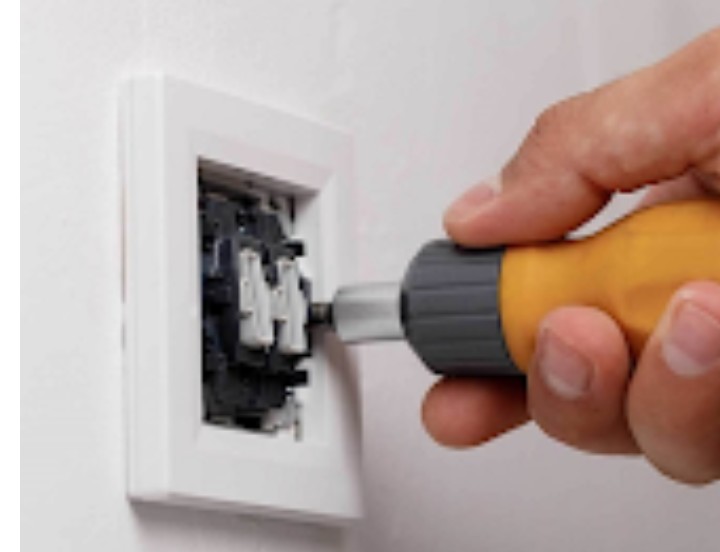
Internal switch components wear out over time after thousands of uses. As contacts inside the switch deteriorate, they may create inconsistent electrical connections that cause lights to flicker when turned on or while operating.
If gently moving the switch causes the light to flicker, the switch may need replacement.
Although replacing a switch appears simple, proper wiring and safe handling of electrical circuits are essential to prevent future problems.
Utility Company Voltage Fluctuations
Not every flickering light originates inside your home.
Occasionally, voltage fluctuations from the local utility company can cause temporary dimming or flickering. Severe weather, damaged power lines, nearby construction, or increased neighborhood electrical demand may all affect incoming power.
If multiple neighboring homes experience similar lighting problems, the issue may be outside your property's electrical system.
However, if your home is the only one affected, the problem is much more likely to originate within your own electrical wiring or electrical panel.
Damaged or Aging Wiring
Electrical wiring naturally ages over time. Insulation may become brittle, wires can loosen, and previous repairs may deteriorate.
Older homes are particularly susceptible to wiring problems, especially if renovations have been completed without proper electrical upgrades.
Damaged wiring can interrupt electrical flow, creating flickering lights, intermittent power loss, buzzing sounds, or even burning smells.
Because deteriorated wiring presents a significant fire risk, professional inspection should never be delayed if wiring damage is suspected.
Weather and Moisture Can Affect Outdoor Lighting
Outdoor lighting systems face constant exposure to rain, humidity, heat, insects, and changing temperatures.
Moisture entering outdoor fixtures, damaged underground wiring, or corroded electrical connections can all cause exterior lights to flicker.
If flickering only affects outdoor lighting after rainfall or during humid weather, moisture intrusion may be responsible.
Outdoor electrical systems require weather-resistant components and should always be inspected by a qualified electrician when problems arise.
How to Troubleshoot Flickering Lights Safely
Some basic troubleshooting steps can help identify simple causes before professional service is required.
Begin by determining whether the flickering affects one light fixture, an entire room, or your whole house. Replace the light bulb with a new one and ensure it is properly tightened.
If the fixture uses a dimmer switch, verify that both the bulb and dimmer are compatible.
Observe whether flickering occurs only when certain appliances start running. This information can help determine whether overloaded circuits are contributing to the problem.
If multiple lights flicker throughout the home, or if flickering is accompanied by buzzing sounds, burning smells, warm outlets, or repeatedly tripping breakers, discontinue troubleshooting and contact a licensed electrician immediately.
When You Should Call a Professional Electrician
Some lighting issues require immediate professional attention.
If lights flicker frequently without an obvious cause, if you notice sparks or burning odors, or if the electrical panel feels warm, these are warning signs that should never be ignored.
Professional electricians use specialized diagnostic equipment to locate hidden wiring faults, voltage problems, loose connections, overloaded circuits, and failing electrical components without unnecessary damage to your home.
Attempting to repair complex electrical problems without proper training can create additional safety hazards and may violate local electrical codes.
Professional repairs ensure your electrical system operates safely and reliably.
Preventing Future Lighting Problems
Routine electrical maintenance is one of the best ways to prevent flickering lights and other electrical issues.
Scheduling periodic inspections allows electricians to identify loose connections, aging wiring, worn breakers, and overloaded circuits before they become major problems.
Using quality light fixtures, compatible LED bulbs, properly rated dimmer switches, and avoiding overloaded outlets also helps improve long-term electrical performance.
If your home is older or has recently added new appliances, electric vehicle charging equipment, or home additions, consider having your electrical system evaluated to ensure it can safely support your current electrical needs.
Trust MK Electric Man for Reliable Electrical Repairs
Flickering or dimming lights may seem like a minor annoyance, but they often signal underlying electrical issues that shouldn't be ignored. Whether the problem is caused by loose wiring, overloaded circuits, faulty switches, aging electrical panels, or damaged wiring, prompt diagnosis helps prevent more serious safety risks.
At MK Electric Man, we provide professional electrical troubleshooting, lighting repairs, wiring inspections, electrical panel upgrades, and complete residential electrical services. Our experienced electricians carefully identify the root cause of lighting problems and deliver safe, long-lasting solutions that restore dependable performance to your home's electrical system.
If you're experiencing flickering or dimming lights in your Houma home, contact MK Electric Man today. Our skilled team is ready to provide reliable electrical services that keep your home safe, efficient, and powered with confidence.
Location: Houma, LA
Project Image Gallery
Reach Out to Our Houma Electricians for All Your Electrical Needs